Thinking about selling your Harbour Island condo? You are not just listing a unit. You are selling a waterfront, walkable Tampa lifestyle in a market where buyers are paying close attention to price, building details, and association documents. If you want fewer surprises and a smoother path to closing, it helps to know what is coming before your condo hits the market. Let’s dive in.
Harbour Island buyers expect more
Harbour Island has a distinct appeal within Tampa’s waterfront corridor. The area is known for its pedestrian-friendly setting, waterfront dining, public boat docks, and easy access to nearby downtown destinations like Water Street Tampa. For many buyers, that means the listing story is about both the condo and the lifestyle around it.
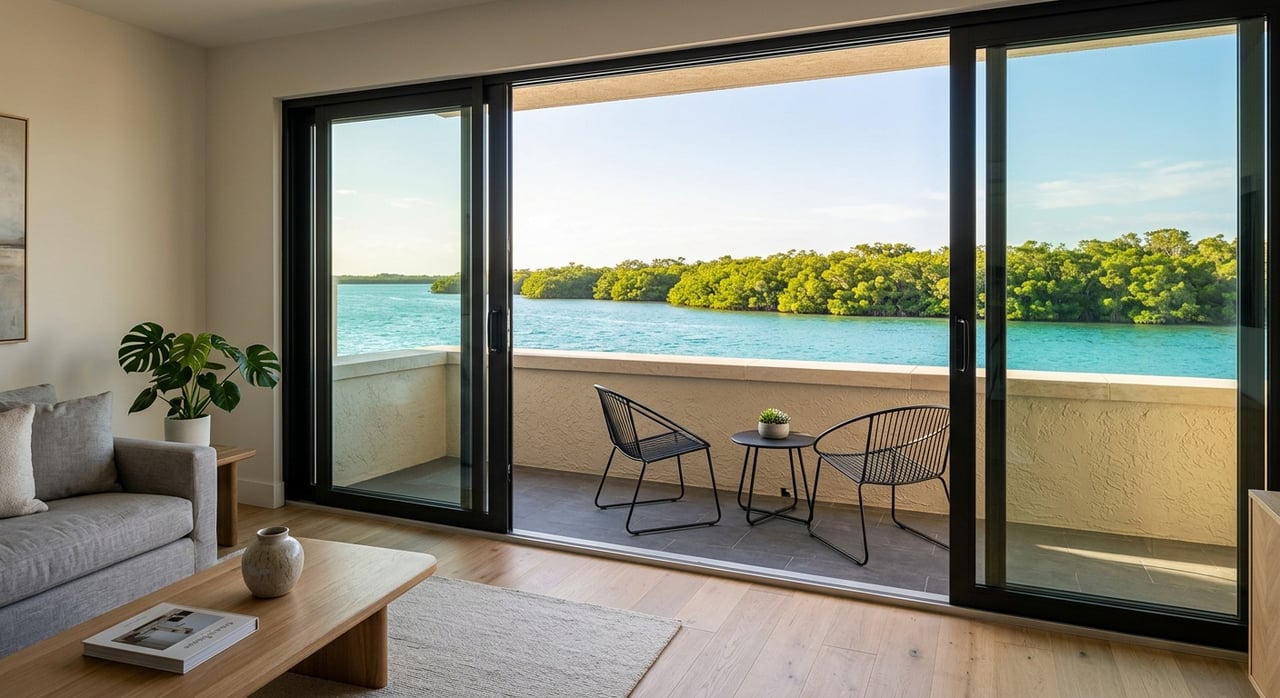
That matters when you prepare your sale. Buyers will notice your view, balcony light, walkability, and connection to the surrounding area just as much as they notice your kitchen finishes or flooring. A strong listing usually combines the unit’s features with a clear picture of daily life on Harbour Island.
Pricing needs to be precise
In Harbour Island, pricing strategy can shape your entire timeline. Realtor.com’s March 2026 snapshot showed a median listing price of $639,000, with about 59 homes for sale and a median 64 days on market. That tells you buyers have options, and sellers benefit from pricing based on current condo competition rather than broad Tampa averages.
Florida’s broader condo market also gives useful context. Florida Realtors reported a 9.1-month supply for condo-townhouse properties statewide in the third quarter of 2025, with a median condo-townhouse price of $295,000, down 6.1% year over year. In a market like this, accurate pricing can help you attract serious attention early instead of chasing the market later.
Start with condo document prep
One of the biggest differences between selling a condo and selling a detached home is the paperwork. Florida law requires condo resale sellers to provide the buyer, at the seller’s expense, with key association documents. These include the declaration, articles, bylaws, rules, annual financial statement, annual budget, FAQ sheet, and certain structural or reserve-related documents when applicable.
If your building is subject to milestone inspection or structural integrity reserve study requirements, those records become especially important. Buyers may also receive a governance form that explains basic condo governance and owner responsibilities. This is one reason condo sales often require more preparation on the front end.
Documents buyers may expect
- Declaration
- Articles
- Bylaws
- Rules and regulations
- Annual financial statement
- Annual budget
- FAQ sheet
- Milestone-inspection summary, if applicable
- Most recent SIRS, or a statement that no SIRS has been completed
- Governance form explaining condo ownership responsibilities
Getting these items lined up early can reduce stress once you are under contract.
Association coordination matters
Every building can have its own process. Some associations may require transfer applications, move-out procedures, fee disclosures, or other building-specific paperwork. The estoppel certificate can also show whether board approval or a right of first refusal applies.
That means you should expect the association to play a meaningful role in your transaction. If you wait until the last minute to request records or clarify procedures, your closing timeline can tighten quickly.
Know the inspection and reserve questions
For many Florida condo buyers, the first questions are no longer just about finishes and views. They also want to know whether there are special assessments, whether the structural integrity reserve study is complete, and whether the milestone inspection has been performed if the building is subject to that requirement.
According to DBPR, milestone inspection rules generally apply to residential condo buildings with three or more habitable stories at 30 years of age, or 25 years in certain local circumstances. DBPR also states that SIRS requirements apply to 3-plus-story residential condo associations. If reserves are short, associations may need assessments or borrowing to remain compliant.
These issues are not automatic deal-breakers, but they do affect buyer confidence. Sellers who understand their building’s current status are usually in a better position to answer questions clearly and keep negotiations grounded.
Presentation should highlight the Harbour Island lifestyle
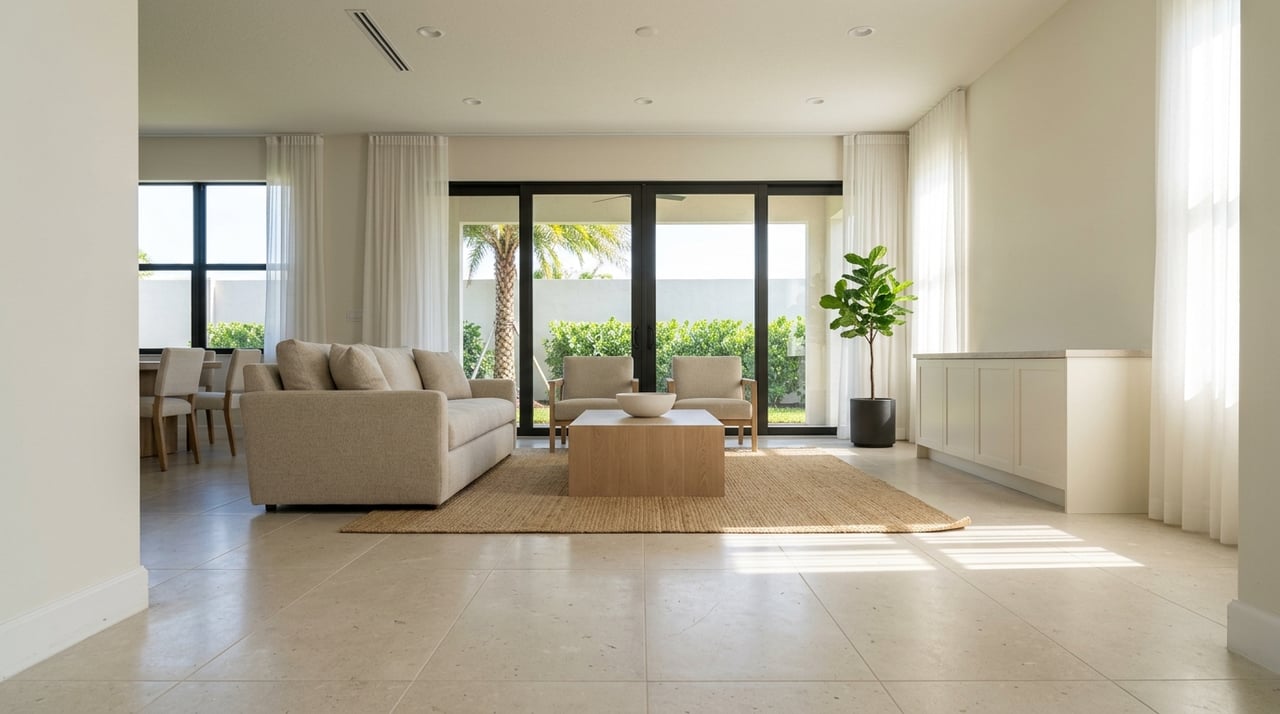
Buyers shopping Harbour Island are often responding to a feeling as much as a floor plan. They want to picture the light coming through the windows, the water nearby, and the ease of walking to restaurants or downtown destinations. That is why presentation matters.
In this area, strong photography often leans into what buyers can immediately connect with:
- Water views
- Balcony scenes
- Natural light
- Twilight exterior images
- Walkable surroundings
- Proximity to downtown Tampa amenities
A polished visual strategy helps buyers understand why your condo stands out in a competitive waterfront market.
Expect due diligence to take time
A Harbour Island condo sale may take longer than a simple home sale with no association review. Florida condo resale rules give buyers a 7-day cancellation window after they receive the required documents, excluding Saturdays, Sundays, and legal holidays, unless the contract states the documents were delivered more than 7 days before execution.
That timing is important because it adds another layer to your contract-to-close calendar. Florida Realtors also noted that condo-townhouse sales can close 30 to 90 or more days after contract, which means your timeline should leave room for financing, buyer review, association paperwork, and any follow-up questions tied to the building.
The estoppel certificate is a key closing item
The estoppel certificate is one of the most important association documents in a Florida condo sale. Under Florida law, the association has 10 business days to issue it after request. The certificate can include information about fees owed, transfer approval, right of first refusal, insurance, and whether other associations are involved.
Its timing matters too. The certificate is effective for 30 days if delivered by hand or electronically, and 35 days if mailed. If the association misses the 10-business-day deadline, it cannot charge the fee.
Estoppel fee basics
- Standard fee cap: $250
- Expedited fee cap within 3 business days: additional $100
- Additional fee for delinquent amounts: up to $150 more
This is one more reason to request key association items early rather than waiting until closing is around the corner.
Common friction points to expect
Most condo sales do not fall apart over one dramatic issue. More often, delays come from several smaller items stacking up at once. A missing document, an unclear reserve question, a delayed estoppel, or a building rule that surfaces late can all slow the process.
In Harbour Island, the most common friction points often include:
- Special assessment questions
- Milestone inspection status
- SIRS completion status
- Board approval requirements
- Right of first refusal questions
- Parking details
- Insurance details
- Association response times
When you prepare for these questions ahead of time, your sale tends to feel more organized and more credible to buyers.
What sellers can do before listing
The best approach is proactive, not reactive. Before your condo goes live, it helps to gather the association documents you know buyers will request, verify any building-specific procedures, and make sure your pricing reflects current Harbour Island competition.
You also want your marketing to match how people shop this location. In many cases, that means emphasizing waterfront living, downtown access, and the daily ease of the neighborhood in a polished, visual way.
Smart pre-listing steps
- Gather required condo documents early
- Ask the association about transfer procedures and timelines
- Confirm whether milestone inspection or SIRS records apply
- Review any recent or pending assessment information
- Prepare photography that highlights views, light, and location
- Price against current Harbour Island condo competition
- Build extra time into your expected closing timeline
A smooth sale starts with the right plan
Selling a Harbour Island condo is part marketing and part management. You need a listing that captures the waterfront lifestyle buyers want, but you also need the document trail and association coordination that keep the transaction moving.
When those two pieces work together, your sale is more likely to feel calm, clear, and well-positioned from day one. If you are getting ready to sell and want a thoughtful, high-touch plan, connect with Carroll Couri to book an appointment.
FAQs
What documents do you need to sell a Harbour Island condo?
- Florida condo resale sellers generally need to provide association documents such as the declaration, articles, bylaws, rules, annual financial statement, annual budget, FAQ sheet, and certain milestone inspection or SIRS-related records if applicable.
How long does it take to sell a Harbour Island condo?
- Timelines vary, but condo-townhouse sales in Florida can close 30 to 90 or more days after contract, and condo document review plus association paperwork can add time.
What is the buyer cancellation period for a Florida condo resale?
- Florida condo resale rules provide a 7-day cancellation window after the buyer receives the required documents, excluding Saturdays, Sundays, and legal holidays, unless the contract states the documents were delivered earlier.
What is an estoppel certificate in a Harbour Island condo sale?
- An estoppel certificate is an association document that can confirm fees owed, transfer approval requirements, right of first refusal, insurance details, and other important closing information.
What should you highlight when marketing a Harbour Island condo?
- The strongest Harbour Island marketing angles are often water views, balcony light, walkability, and proximity to downtown Tampa and nearby waterfront destinations.