Thinking about buying on Harbour Island? It is easy to focus on the water views, walkable setting, and downtown Tampa access, but the smartest buyers look past the finishes first. Before you make an offer, you need to understand how ownership type, parking, association rules, flood review, and condo documents can shape your day-to-day experience and long-term costs. If you want a clearer, more confident path into this market, this guide will help you know what to check before you buy. Let’s dive in.
Harbour Island lifestyle basics
Harbour Island sits next to downtown Tampa in the 33602 core, and that location is a big part of the appeal. You are close to the Tampa Convention Center, Amalie Arena, the Riverwalk, and downtown work and entertainment destinations.
The neighborhood also supports a more urban, connected lifestyle than many buyers expect. The TECO Line Streetcar connects downtown Tampa, the Channelside District, and Ybor City through a 2.7-mile system, and the current City of Tampa system page says rides are fare-free.
Recent City of Tampa street improvements on Knights Run Avenue and Beneficial Drive added traffic-calming and bike-lane upgrades. That reinforces Harbour Island’s walkable feel, but it also means your experience can vary depending on exactly where you live and how often you drive, bike, or walk.
Know what you are buying
One of the biggest Harbour Island mistakes is assuming every property offers the same ownership style and living experience. In reality, inventory is mixed, and that matters both legally and practically.
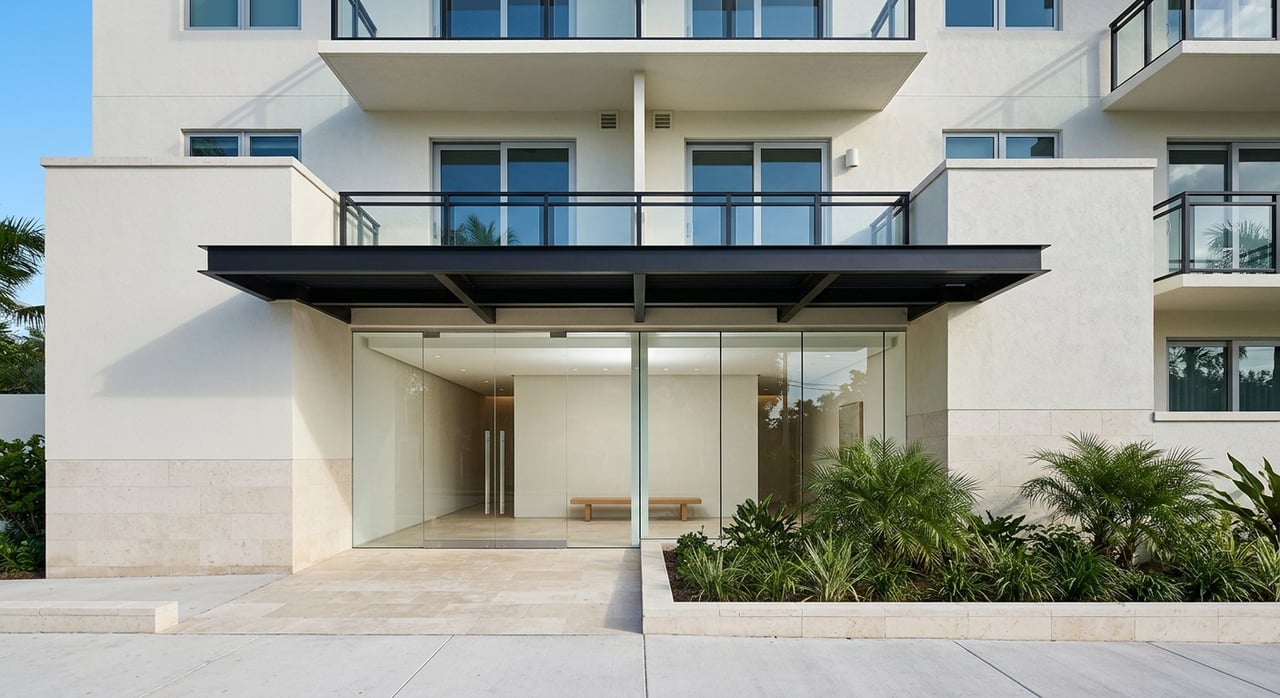
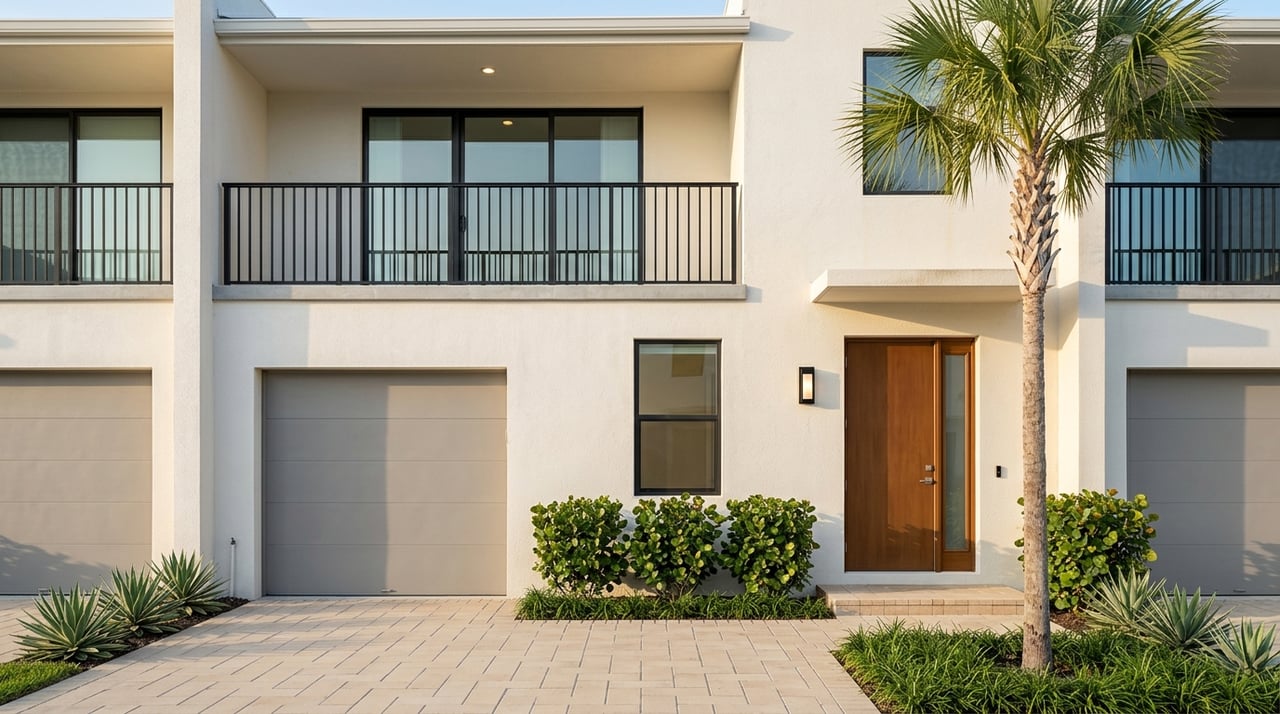
You may see traditional condo units, high-rise residences, and townhome-style condos with multi-level layouts and private garages. Communities like Harbour Place City Homes, Parkcrest, Island Place, and The Plaza all offer different formats, building ages, and amenity setups.
That means you should confirm the ownership form before you fall in love with the floor plan. A unit that feels like a townhouse may still be legally structured as a condominium, and that can affect documents, fees, maintenance responsibilities, and association rules.
Harbour Island property types vary
Harbour Place City Homes is a 1999, three-story, 206-unit condo community. It includes covered parking, elevators, a pool, cabanas, grills, a fitness center, business space, storage, and a car wash.
Parkcrest is a 2005, nine-story, 336-unit waterfront tower. The Plaza is a 2007 high-rise, while Island Place is a 1993 guard-gated waterfront condo community that current listings show with attached two-car garages and guest parking.
For you as a buyer, this means the building itself is part of the purchase decision. Age, height, amenities, parking style, and document requirements can all differ from one address to the next.
Put parking at the top of your list
On Harbour Island, parking is not a small detail. It can be one of the biggest quality-of-life factors, especially if you have more than one vehicle, expect frequent guests, or want direct garage access.
Current listings show that Harbour Place City Homes may offer assigned covered or tandem spaces. Parkcrest listings show a wider range, including assigned, covered, guest, under-building, or same-floor parking, and some listings even advertise EV chargers.
Island Place listings show attached two-car garages plus guest parking. That is a very different experience from a high-rise setup, so it helps to treat parking as a primary search filter instead of a bonus feature.
Ask parking questions early
Before or during a tour, ask:
- How many spaces are deeded or assigned to the unit?
- Are the spaces tandem, covered, under-building, or on the same floor?
- Where can guests park?
- Are there any restrictions on oversized vehicles?
- Is garage access direct, shared, or detached?
These answers can make one property feel much more convenient than another, even if both are only blocks apart.
Compare amenities building by building
Harbour Island communities are known for amenities, but the amenity package is not consistent across the neighborhood. You should verify what is actually included in the fees and what is shared with another association.
Harbour Place City Homes advertises a pool, sun deck, cabanas, grills, a 24-hour fitness center, business center, covered parking with elevators, storage, and car wash service. Parkcrest listings emphasize 24-hour security, concierge, pool and spa, fitness, clubhouse, business center, and parking located on or near the unit floor.
Island Place and Island Walk share resort-style amenities that include pools, heated spas, tennis courts, fitness centers, a clubhouse, and a central park with a lake and fountains. If amenities are important to your daily routine, compare them side by side instead of assuming every Harbour Island address delivers the same lifestyle.
Review association rules before you commit
Two homes on Harbour Island can look similar online and still feel very different once you move in. That is often because association rules shape the day-to-day experience more than buyers expect.
Harbour Island access-control materials show that some neighborhoods require photo ID for guests, resident vehicle barcodes, and separate handling for parking and towing issues. Island Walk’s consolidated rules address garage use, parking direction, oversized vehicles, pool hours, tennis access, open-house access, and fines or towing.
This is why rule review matters just as much as amenity review. If you host visitors often, own multiple cars, or want simple move-in logistics, these details deserve attention before you buy.
Rules to ask about
Focus on practical questions like:
- Are there lease minimums?
- Are there pet restrictions?
- Is association approval required before closing or move-in?
- Are there move-in fees?
- What are the guest access procedures?
- What can trigger fines or towing?
Condo documents are essential in Florida
If you are buying a resale condo on Harbour Island, document review is not optional. Florida law gives resale buyers the right to important records, including the declaration, articles, bylaws, rules, annual financial statement, and budget.
If applicable, buyers must also receive milestone-inspection and structural-integrity-reserve-study materials. The statute also provides a short cancellation window if the required condominium disclosures are not properly delivered.
For you, that means the documents are not just paperwork. They are one of the clearest ways to understand the building’s financial picture, rules, repair planning, and possible future costs.
Why milestone inspections matter
According to the Florida Department of Business and Professional Regulation, residential condo and cooperative buildings that are three or more habitable stories must complete milestone inspections at the required age. Florida condo law also requires structural integrity reserve studies at least every 10 years for qualifying buildings.
Buyers must receive the milestone summary, turnover inspection report if applicable, and the latest structural integrity reserve study. On Harbour Island, where several communities are multi-story condo buildings, this should be part of your standard due diligence.
Check flood and evacuation information by address
Because Harbour Island is a waterfront area, flood review should happen early in your search. The City of Tampa says flood risk can come from localized rain, tidal flooding, and storm surge.
The city also says homeowners insurance usually does not cover flood damage. Buyers should check FEMA flood maps and local evacuation-zone resources by address so they understand both insurance implications and storm planning.
Tampa participates in the National Flood Insurance Program and currently has a Class 5 Community Rating System score. According to the city, that produces a 25 percent flood-insurance discount in flood zones and a 10 percent discount outside flood zones.
Flood questions to ask
As you narrow your options, ask:
- What flood zone is this address in?
- What evacuation zone applies to this address?
- How might that affect insurance?
- Has the seller shared any relevant building or association information related to flood risk?
These questions can help you compare homes more accurately, especially when monthly carrying costs are part of the decision.
Think about resale while you buy
Even if you plan to stay for years, it helps to buy with resale in mind. On Harbour Island, current listings suggest that view, floor height, parking quality, and overall building condition are some of the clearest value drivers.
Listings for Parkcrest and The Plaza often emphasize panoramic water or downtown views and higher ceilings. Island Place listings often highlight attached garages and guest parking, which suggests convenience and vehicle access may matter just as much as interior finishes for future buyers.
This is not a published island-wide price study, but it is a useful pattern. If you are choosing between two similar homes, a better view, stronger parking setup, or more solid building profile may support resale appeal later.
A smart Harbour Island tour checklist
When you tour homes on Harbour Island, keep your questions simple and specific. A polished showing is helpful, but clear answers are better.
Bring this shortlist with you:
- Is this unit a condo, townhome-style condo, or another ownership form?
- How many parking spaces are deeded or assigned?
- Where are guest spaces located?
- Are there lease minimums, pet restrictions, move-in fees, or approval steps?
- Has the building completed its milestone inspection and structural integrity reserve study?
- Are any assessments expected?
- What flood zone and evacuation zone apply to the address?
- Which amenities are included in the fees?
- Are any amenities shared with another association?
The goal is not to make the process harder. It is to help you buy with fewer surprises and more confidence.
If you are considering Harbour Island, a neighborhood-first approach can make a big difference. The right fit is not only about finishes or views. It is about how the building works, how the rules affect your lifestyle, and how the total ownership picture aligns with what you want next. When you are ready for thoughtful guidance and a high-touch buying experience, connect with Carroll Couri.
FAQs
What should buyers know about Harbour Island property types?
- Harbour Island includes traditional condos, high-rise residences, and townhome-style condos, so you should confirm the legal ownership form before you buy.
What should buyers ask about Harbour Island parking?
- Ask how many spaces are deeded or assigned, whether they are covered or tandem, where guest parking is located, and whether there are vehicle restrictions.
What condo documents matter for Harbour Island buyers?
- Florida resale condo buyers should review the declaration, articles, bylaws, rules, annual financial statement, budget, and any required milestone-inspection or reserve-study materials.
What flood information should Harbour Island buyers check?
- You should check the property’s flood zone and evacuation zone by address because the City of Tampa says flood risk can come from rain, tidal flooding, and storm surge.
What affects Harbour Island resale appeal?
- Current listings suggest that view, floor height, parking quality, and overall building condition can be important resale factors on Harbour Island.