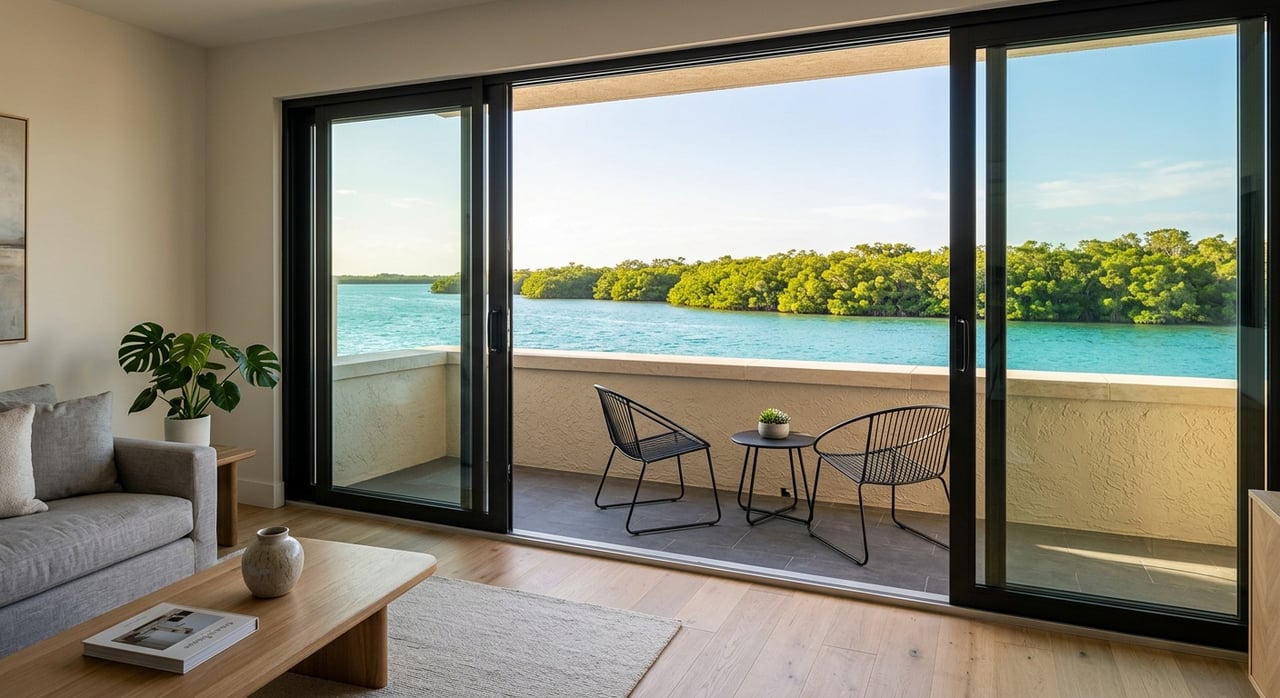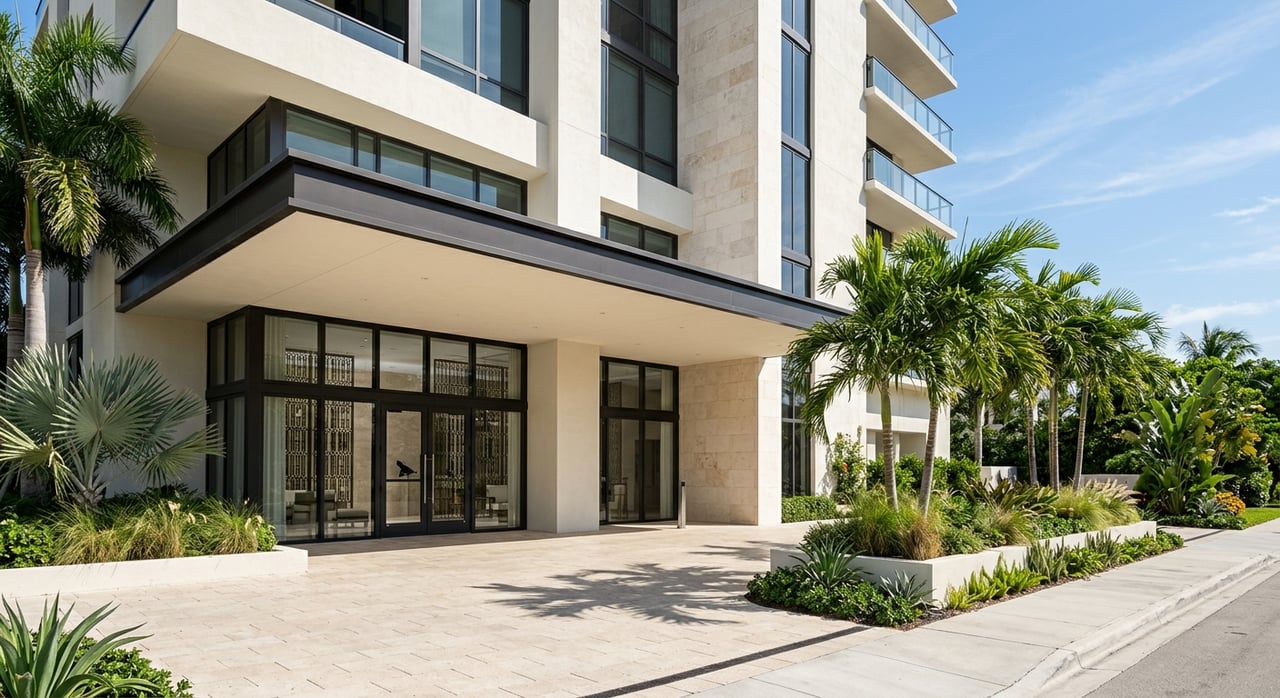
If you are comparing Tampa high-rise condos, it is easy to get pulled in by views, finishes, and resort-style amenities. But the smartest comparison usually starts long before the tour, with the building’s documents, inspection history, and financial health. If you want to buy with more confidence, this guide will show you what to review, what questions to ask, and how to compare buildings in a way that fits your real life. Let’s dive in.
Start With the Building’s Age
When you compare Tampa high-rise condo buildings, the first question should be how old the building is and whether it has reached key inspection milestones. In Florida, a residential condominium building that is three habitable stories or more must have a milestone inspection by the end of the year it turns 30, based on its certificate of occupancy.
In some cases, that first inspection can be required at 25 years instead of 30. Florida law allows local enforcement agencies to move up that deadline when local conditions justify it, including proximity to salt water. For Tampa buyers, that makes age especially important when you are looking at waterfront or near-water towers.
What a Milestone Inspection Covers
A milestone inspection is a two-phase process. Phase one is a visual review, and phase two happens only if the first phase finds substantial structural deterioration.
These inspections must be performed by a licensed architect or engineer. That matters because a polished lobby or updated unit interior does not tell you what is happening with the building’s structure.
Review the SIRS Carefully
For older condo buildings, the Structural Integrity Reserve Study, often called a SIRS, is one of the most important documents in your comparison file. The Florida Department of Business and Professional Regulation describes it as a budget-planning tool that helps associations prepare for major structural and safety-related components.
A SIRS covers items such as the roof, structural systems, fireproofing and fire protection systems, plumbing, electrical systems, waterproofing and exterior painting, windows and exterior doors, and other elements over $25,000 that affect structural integrity. In plain terms, it helps you understand whether the building is planning ahead for major repair and replacement costs.
Why SIRS Status Matters
DBPR says unit-owner-controlled associations existing on or before July 1, 2022 must complete a SIRS by December 31, 2025. If the same building also needs a milestone inspection by December 31, 2026, the SIRS can be completed at the same time, but no later than December 31, 2026.
If one Tampa high-rise has a current SIRS and another does not, that difference is worth noting right away. It can affect how clearly you see the building’s future financial obligations.
Compare Monthly Fees the Right Way
A higher monthly condo fee does not automatically mean a worse deal. In some buildings, a higher fee may reflect stronger reserves, more robust maintenance, more staffing, or broader insurance and service coverage.
That is why you should compare what the fee supports, not just the amount. Florida law requires associations to maintain annual budgets, accounting records, and current insurance policies among their official records, and those records often tell a much fuller story than a listing sheet.
Look Beyond the Listing Description
The annual financial report can help you see how the association spends money. It may break out categories such as security, management, maintenance, insurance, utilities, administration, and reserves.
When you review these categories side by side, you can better understand whether one building is lean, underfunded, service-heavy, or simply structured differently. That makes your comparison much more useful than looking at dues alone.
Watch for Reserve Gaps and Assessments
If a SIRS shows a reserve funding gap, take that seriously. DBPR says associations may need a special assessment, a loan, or a line of credit to meet the funding schedule in the study.
For you as a buyer, that can become a real affordability issue. A building with lower monthly fees today may still cost more later if major repairs or reserve shortfalls lead to added charges.
Add Assessment History to Your Checklist
When comparing Tampa condo buildings, include assessment history in your notes. If a building has had recent special assessments, or if the documents suggest more may be needed, that can change the true cost of ownership.
This is one reason a document-first review is so important. It gives you a better view of both present costs and possible future expenses.
Request the Full Condo Document Package
Florida law gives prospective condo buyers access to a core set of documents. These can include the declaration, articles, bylaws and rules, annual financial statement and annual budget, milestone summary if applicable, the most recent SIRS or a statement that none exists, the turnover inspection report if applicable, and the FAQ document.
For resales, the delivery of this disclosure package also matters legally. If the required documents are not delivered in the required form, the contract can be voidable.
Use Official Records, Not Guesswork
Associations must maintain important records, including budgets, accounting records, current insurance policies, management agreements, inspection reports, bids, and the most recent SIRS. In general, these records must be made available within 10 working days after a proper request, and the owner does not have to give a reason for asking.
For many buildings with 25 or more units, Florida law also requires a protected website or app with current documents such as the declaration, bylaws, rules, minutes, budgets, financial reports, bids, inspection reports, and the latest SIRS. That can make the comparison process faster and more transparent.
Compare Rules That Affect Daily Life
Two Tampa towers can look similar online and feel very different once you live there. That is why parking, guest access, pet limits, rental rules, move-in procedures, storage, and amenity reservation policies deserve a close read.
These day-to-day rules are typically found in the declaration, bylaws, and association rules. If you only compare buildings based on photos and amenities, you may miss the details that shape your daily experience.
Match Building Rules to Your Lifestyle
If you need a second parking space, frequent guest access, flexible pet rules, or future rental options, those details should be part of your comparison from the start. A building may be beautiful, but if its rules do not fit how you plan to live, it may not be the right match.
This is where a side-by-side document review becomes especially useful. It helps you compare real-world fit, not just curb appeal.
Add Tampa Flood and Evacuation Checks
In Tampa, location adds another layer to the condo comparison process. The City of Tampa says local flooding can be caused by thunderstorms, tidal influence, and storm surge, so checking flood maps before you buy is an important step.
The city also provides tools to look up flood risk, flood zones, and evacuation zones for a specific property. If you are comparing waterfront and non-waterfront towers, this step can help you understand differences that may not be obvious during a showing.
Flood Insurance Is a Separate Cost
Tampa also notes that standard homeowner’s insurance usually does not cover flood damage. Flood insurance is purchased separately through NFIP-backed policies.
That means two similar condo buildings may carry different ownership costs depending on location and flood exposure. For buyers comparing downtown and waterfront options, this can be a meaningful budget factor.
Build a Side-by-Side Condo Matrix
A simple comparison matrix can make your decision much clearer. Instead of relying on memory after a few tours, track the same categories for each building so you can see patterns and tradeoffs quickly.
Helpful comparison fields include:
- Building age
- Milestone inspection status
- SIRS status
- Reserve funding
- Current insurance records
- Annual budget
- Assessment history
- Parking setup
- Guest access rules
- Pet rules
- Rental rules
- Flood zone
- Evacuation zone
Why This Approach Works
This process keeps you focused on substance before style. You can still care about the view, finishes, and amenities, but those features make more sense once you understand the building’s structural, financial, and practical picture.
For many buyers, this approach leads to a more confident decision. It also helps you avoid surprises after closing.
A Smart Tampa Condo Comparison Strategy
The most practical workflow is simple. Request the condo documents for each building, compare the milestone inspection information, SIRS, annual budget, financial statements, insurance, and assessment history, then test the building rules against your actual lifestyle.
In a market like Tampa, it also makes sense to factor in flood risk and evacuation information, especially for waterfront or near-water towers. When you compare buildings this way, you are not just choosing a unit. You are choosing the structure, the finances, the rules, and the day-to-day experience that come with it.
If you want a clear, personalized way to compare Tampa condo buildings, Carroll Couri can help you sort through the details and narrow in on the right fit for your goals.
FAQs
What documents should you review when comparing Tampa high-rise condo buildings?
- You should review the declaration, articles, bylaws and rules, annual financial statement, annual budget, milestone summary if applicable, the most recent SIRS or a statement that none exists, the turnover inspection report if applicable, and the FAQ document.
Why does building age matter for Tampa high-rise condo buyers?
- Building age matters because Florida requires milestone inspections for residential condominium buildings that are three habitable stories or more by the end of the year they reach 30 years of age, and in some cases the first inspection can be required at 25 years due to local conditions such as proximity to salt water.
What is a SIRS in a Florida condo building?
- A SIRS is a Structural Integrity Reserve Study that helps an association plan and budget for major structural and safety-related components such as the roof, structural systems, fire protection systems, plumbing, electrical systems, waterproofing, exterior painting, windows, and exterior doors.
How should you compare Tampa condo fees between buildings?
- You should compare what the fees pay for by reviewing the annual financial report, budget, reserves, insurance, maintenance, staffing, and service levels rather than judging the building by the monthly fee amount alone.
Why should Tampa condo buyers check flood zones and evacuation zones?
- Tampa buyers should check flood zones and evacuation zones because local flooding can result from thunderstorms, tidal influence, and storm surge, and location can also affect flood insurance needs and total ownership costs.