You love the energy of Downtown Tampa, Channelside, and Hyde Park, but you want a home that fits your life without adding stress. Should you focus your search on a townhome or a condo? It is a big decision that affects your monthly costs, privacy, parking, and even which loans you can use.
In this guide, you will learn how townhome and condo ownership differ in Florida, what lenders and insurers look for, how fees and assessments work, and which Tampa neighborhoods best match your lifestyle. You will also get a due diligence checklist you can use before you make an offer. Let’s dive in.
Townhome vs. condo basics in Tampa
How ownership differs
In Florida, a condo owner typically owns the unit interior plus a share of common areas, governed by the Condominium Act under Florida Statutes Chapter 718. A board-managed association enforces rules, maintains common elements, and collects assessments. Townhomes can be set up two ways in Tampa. Many are fee-simple, where you own the structure and the land and the HOA manages shared spaces under Florida Statutes Chapter 720. Others are condo-form townhomes that follow Chapter 718 and operate more like a condo legally.
The practical takeaway is simple. Fee-simple townhomes are often treated like single-family attached homes by lenders and insurers. Condo-form townhomes function like condos, which can bring project-level rules that affect financing and insurance.
Maintenance and HOA costs
Condos usually bundle exterior maintenance, roof, elevators, landscaping, and amenities into the monthly fee. Some buildings also include utilities or concierge services. Near downtown Tampa, high-amenity towers often have higher fees because you are paying for building systems and staff. Fee-simple townhomes often have lower monthly HOA fees since owners may be responsible for the roof and exterior of their unit, but that can mean higher out-of-pocket maintenance over time.
Privacy, noise, and layout
Condos are vertical living. You will likely share walls, floors, and ceilings, and you will pass through shared lobbies and elevators. Townhomes usually offer a private ground-level entry, fewer shared walls, and a small yard or patio. If you have a pet or want outdoor space, a townhome can be appealing. If you value on-site amenities and low in-unit maintenance, a condo may be a better fit.
Parking and storage
Parking is a big deal in Tampa’s urban core. Condos may offer deeded or assigned garage spaces, valet arrangements, or permit-based parking, and guest parking can be limited. Townhomes are more likely to include a private garage or driveway, making daily living simpler for commuters or multi-car households. Before you write an offer, verify whether a condo unit includes a dedicated space, how guest parking works, and whether there are extra monthly parking fees.
Fees, reserves, and assessments
Condo fees rise with amenities and building age. Older towers with deferred maintenance can face special assessments for big projects like façade work or elevators. The health of the reserve fund, insurance costs and deductibles, and any recent capital projects all influence the risk of future assessments. In Florida’s coastal metros, insurance and repair costs have climbed, which can show up in association budgets. You can monitor broader insurance trends through the Florida Office of Insurance Regulation and learn about last-resort coverage options at Citizens Property Insurance.
Financing and insurance must-knows
Condo project underwriting
Buying a condo involves two approvals. Lenders review you as a borrower and also review the condo project itself. They look at owner-occupancy ratios, how many units one entity owns, HOA delinquency rates, pending litigation, commercial space percentages, and reserve strength. Some loan programs require the building to be approved. You can read more on FHA condo requirements, VA condo guidelines, and Fannie Mae project eligibility. If a building does not meet these criteria, you may face higher down payments, limited loan products, or denial.
Townhome lending
Fee-simple townhomes are usually underwritten like single-family attached homes. There is typically no project-level review, so FHA, VA, and conventional financing may be easier to obtain compared to a condo in a complex project. Condo-form townhomes follow condo rules, so confirm the legal structure with your agent early.
Insurance basics you should confirm
- What the association covers: With condos, the master policy usually covers the building and common elements. You insure the interior and personal property. Ask for the master policy to see coverage and deductibles.
- What you must insure: Fee-simple townhome owners usually carry full dwelling coverage, not just interior.
- Flood risk and cost: Tampa includes low-lying areas that may require flood insurance if your lender mandates it. Check your exposure through the FEMA Flood Map Service Center. For county resources on floodplain planning, visit Hillsborough County.
- Market availability: Florida’s hurricane risk affects insurance availability and pricing. If private carriers decline to quote, some owners explore Citizens Property Insurance.
Tampa neighborhoods at a glance
Downtown, Channelside, Water Street
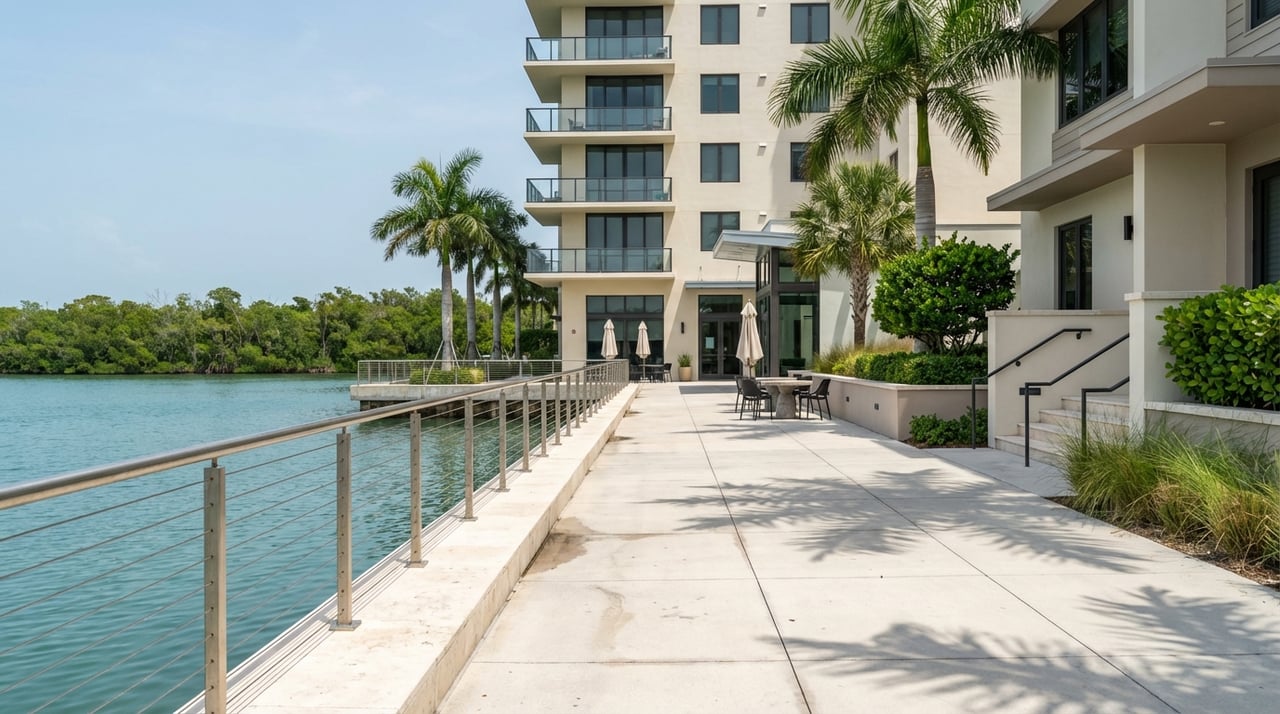
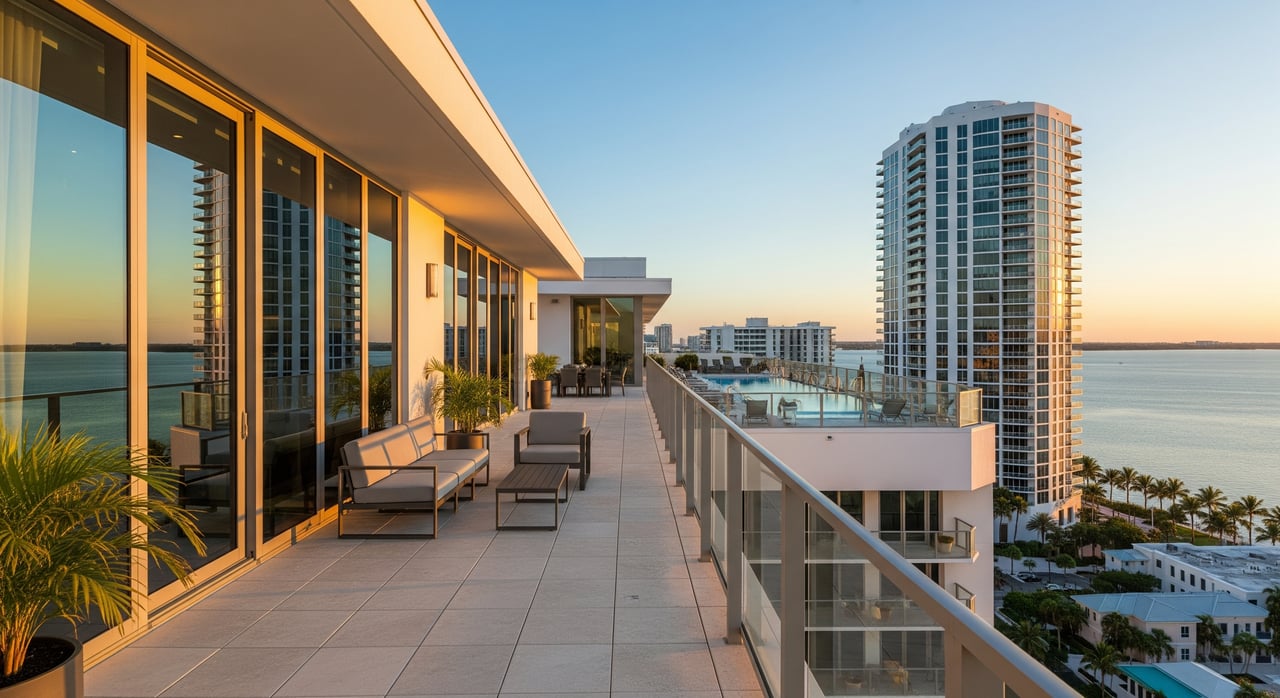
These areas feature high-rise condos with robust amenities and strong walkability to offices, dining, Amalie Arena events, and the Riverwalk. Expect structured parking and possible valet programs. Fees often reflect staff, security, and building systems. If your goal is maximum convenience and amenities, start here.
Hyde Park, SoHo, North Hyde Park
You will find a mix of historic homes, smaller condo buildings, and modern townhome developments. Many townhomes here offer private garages and a short commute downtown. If you want a balance of urban access and a quieter home base with a little outdoor space, this cluster is worth a look.
Ybor City
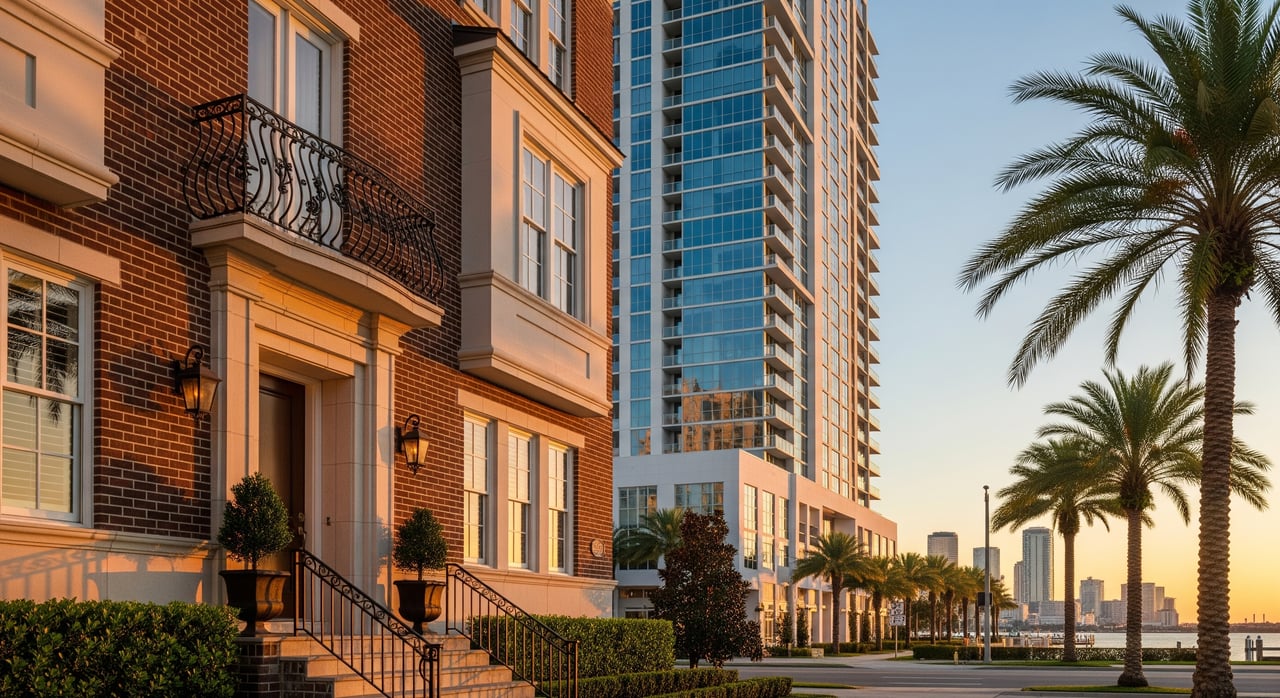
Historic brick architecture, loft-style condos, and townhome conversions give Ybor a distinctive character. Nightlife can shape rental demand and building policies, so review association rules on leasing and guest access. If you like creative spaces and a unique vibe, Ybor can deliver.
Harbour Island and Armature Works area
Harbour Island has a smaller, often pricier inventory and a marina-adjacent lifestyle with luxury condos. Around Armature Works and adjacent Channelside corridors, you will see newer condo projects and townhome infill. Proximity to the Riverwalk and restaurants makes these zones attractive to professionals.
Lifestyle fit: which suits you
- Young professional who wants walkability and minimal upkeep: A condo in Downtown, Channelside, or Water Street may be ideal. Confirm parking, rental rules, and whether the project works with your financing.
- Relocating buyer with a pet or need for outdoor space: A fee-simple townhome near Hyde Park, SoHo, or North Hyde Park can provide a private entry, garage, and small yard with a quick commute.
- Downsizer who wants amenities and lock-and-leave living: A full-service condo in Hyde Park or downtown offers concierge convenience, social spaces, and minimal in-unit maintenance.
- Budget-focused buyer who may need FHA/VA: A fee-simple townhome can simplify lending. If you pursue a condo, verify FHA/VA or conventional approvals early.
- Investor eyeing downtown demand: Condos near employment centers can rent well, but always check rental caps, minimum lease terms, and investor ownership limits.
Total monthly cost comparison
To compare apples to apples, model your entire monthly spend and likely future costs:
- Mortgage principal and interest based on your price and loan program.
- Taxes and any CDD or special assessments on the tax bill.
- HOA or condo fees, including any separate parking fees.
- Insurance: condo interior policy or full dwelling policy for townhomes, plus flood if required.
- Utilities not covered by the association.
- A reserve for future costs: for condos, consider the risk of special assessments; for townhomes, plan for roof, exterior paint, and driveway work if those are owner-paid.
A simple rule: a higher condo fee may replace some maintenance you would otherwise pay out of pocket. A lower townhome fee can mean more owner responsibility for major items over time. The right choice depends on how you prefer to budget.
Due diligence checklist for buyers
Ask for these items before you commit, or include them as a contract contingency:
- Governing documents: declaration/CC&Rs, bylaws, articles, rules.
- Current operating budget, balance sheet, and most recent year-end financials.
- Most recent reserve study and the schedule of reserve contributions.
- Meeting minutes for the past 12 to 24 months.
- Insurance: association master policy details, deductibles, fidelity bond or crime coverage, and any flood policy information.
- History of special assessments and any pending or planned assessments.
- HOA dues delinquency report for the past 12 to 24 months.
- Rental policies, investor-ownership limits, and any short-term rental rules.
- Any pending or threatened litigation and related financial implications.
- Major vendor contracts and dates of last elevator, structural, or building-system inspections.
- Estoppel or resale certificate as required under Florida law.
Red flags to watch
- Low or no reserves and frequent special assessments.
- High HOA delinquency rates.
- Ongoing litigation tied to structural or major systems.
- Very high insurance deductibles that could shift costs to unit owners after a claim.
- Excessive commercial space or single-entity ownership concentration that can affect lending.
- Lack of recent engineering or structural reviews in older buildings.
Pros to involve and when
- Work with an agent who knows Tampa’s urban-core product types and association dynamics.
- If buying a condo, use a lender experienced with condo project reviews and get pre-qualified for the specific building.
- Consult an insurance agent familiar with Florida coastal exposure and association master policies.
- For complex buildings or older properties, consider an attorney versed in Florida condo law and a building engineer for added peace of mind.
Where to verify local info
- Property records and tax details: Hillsborough County Property Appraiser.
- Flood mapping: FEMA Flood Map Service Center and county planning resources at Hillsborough County.
- Statutes and association rules framework: Florida Legislature, plus lending resources at HUD and Fannie Mae.
Next steps
Start by narrowing your lifestyle priorities. Do you want full-service amenities or a private entry and garage? Next, get specific on financing. If you lean condo, ask your lender about the building’s eligibility and your best loan options. If you are considering a townhome, confirm whether it is fee-simple or condo-form. Finally, request the association documents and insurance policies early so you can budget with confidence.
If you want a clear, side-by-side comparison of real options in Tampa’s urban core, connect with Carroll Couri to walk through neighborhoods, fees, and financing paths that fit your goals. Book an Appointment and let’s map your next move.
FAQs
What is the main difference between a Tampa townhome and a condo?
- Condos typically include shared ownership of common areas and project-level governance, while fee-simple townhomes usually include ownership of the structure and lot with an HOA managing shared spaces.
Can I use FHA or VA financing for a Tampa condo?
- Possibly, but the building must meet program rules or be approved; check FHA condo requirements and VA condo guidelines early with your lender.
How do special assessments affect my budget in a condo?
- Special assessments can add significant, time-limited costs for building projects, so review reserves, recent capital work, and meeting minutes to gauge the risk.
What flood risks should I evaluate before buying downtown?
- Review the property’s flood zone and lender requirements using the FEMA Flood Map Service Center and ask for the association’s flood policy and coverage limits.
What should I check about parking in a downtown Tampa condo?
- Confirm whether the unit includes a deeded or assigned space, guest parking rules, and any monthly parking fees or restrictions for additional vehicles.