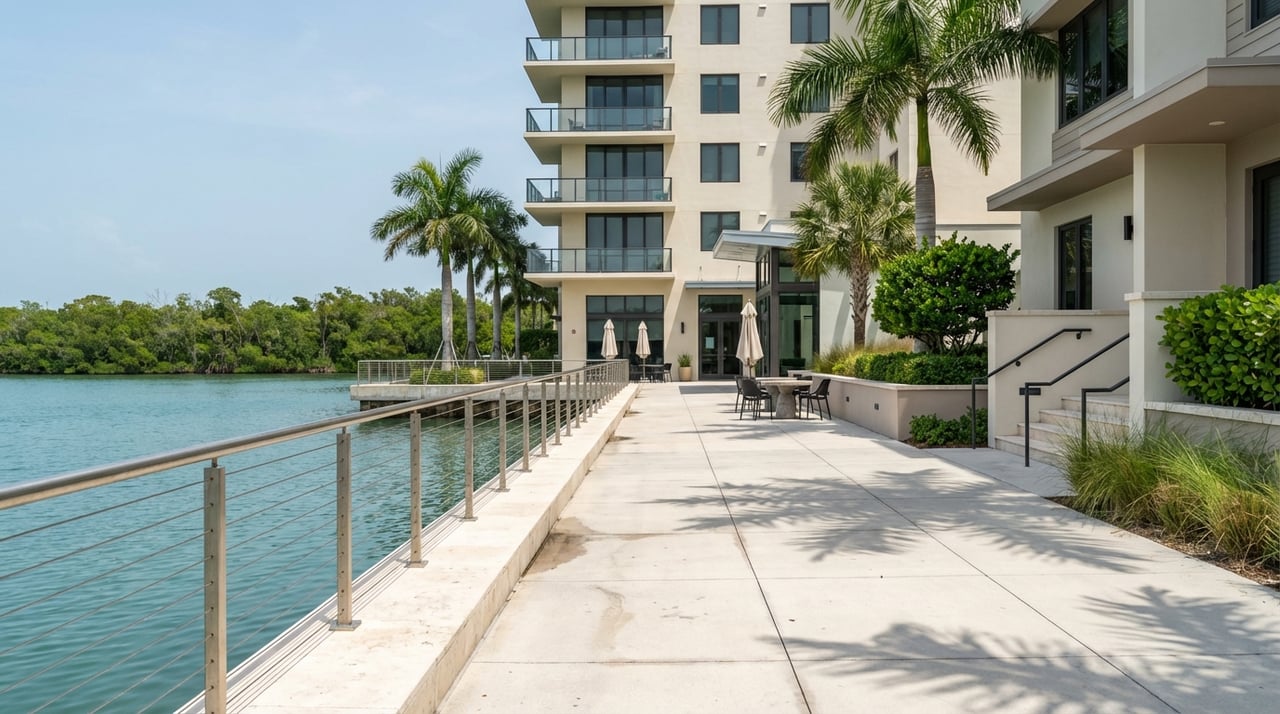
What if your morning coffee came with river views, a quick walk to work, and dinner on a patio by the bay? If you are curious about an urban waterfront lifestyle in Tampa, you are not alone. Many buyers want that mix of walkability, water access, and a full social calendar within minutes of home. This guide shows you what daily life looks like, where you might live, how you get around, and what costs and risks to plan for. Let’s dive in.
Daily life along the water
Morning on the Riverwalk
Start your day on the 2.6‑mile Tampa Riverwalk, a scenic path linking Curtis Hixon Waterfront Park to Channelside with parks, museums, and cafés. It is a go‑to for a jog, dog walk, or a quiet coffee before the workday. The Riverwalk also doubles as a convenient route for short commutes and errands within the core neighborhoods. You can explore the full route and attractions on the City of Tampa’s Riverwalk page for an easy first tour of the area. Visit the Tampa Riverwalk overview.
Lunch with a view
Midday, you can choose casual waterfront lunch spots that make weekday meals feel like a mini getaway. Sparkman Wharf brings outdoor dining, lawn games, and a breezy harbor setting that draws office workers and residents alike. You will also find easy daytime options around Water Street and the Heights, including Armature Works and its food hall scene. Get a taste of the vibe at Sparkman Wharf.
Afternoons on the water
After work, the water is part of your routine. Residents hop on water taxis, schedule short boat rides, or try water‑biking to shake off the day. If you prefer to keep your feet on land, Bayshore Boulevard offers roughly 4.5 miles of continuous sidewalk along the bay for running, walking, or cycling. Explore the route on the Bayshore Boulevard Greenway page.
Evenings and weekends out
Evenings bring riverside dining, festivals at Curtis Hixon Waterfront Park, and concerts or sports at Amalie Arena. Ybor City’s historic 7th Avenue is a short streetcar ride for a night out. Water Street keeps adding retail and entertainment, so new spots continue to pop up close to downtown residences. It all adds up to a compact, walkable pattern from coffee to culture to waterfront patio in one day.
Where to live on the water
Downtown, Water Street, and Channelside
If you want easy access to offices and events, downtown’s high‑rise condos and mixed‑use towers are a strong fit. Water Street is the centerpiece, designed as a major redevelopment that blends residential towers, hotels, office space, and public parks for a walk‑first daily life. Get a project snapshot in this Water Street overview. Expect amenity‑forward buildings with concierge services, rooftop spaces, and premium finishes. Recent market snapshots place Tampa’s overall median sale prices in the mid‑$300Ks to mid‑$400Ks, while downtown and new waterfront towers typically trade higher per square foot.
Harbour Island
One bridge from downtown, Harbour Island offers higher‑end condos and townhomes with an intimate island feel. Buildings often include condo amenities, and you can quickly reach the Riverwalk or water taxi stops. Waterfront dining and private docks are part of the lifestyle in select communities. It is popular with buyers seeking a quiet base close to downtown energy.
Davis Islands
Davis Islands leans residential with mostly single‑family homes, including many waterfront lots with private docks or easy slip access. The island has a small local village area with cafés and restaurants, a yacht club, and a general‑aviation airport at the southern end. It feels like a close‑knit pocket near downtown, which appeals to boaters and frequent flyers who value convenience.
Hyde Park, SoHo, and Bayshore
Just south of downtown, Hyde Park and SoHo mix historic bungalows, townhomes, and boutique retail with fast access to the bay. Bayshore Boulevard’s long waterfront sidewalk is a daily perk for runners and walkers. You get a blend of tree‑lined streets, patios, and an easy hop to downtown events without giving up neighborhood charm.
Everyday conveniences and recreation
- Parks and public spaces. Curtis Hixon Waterfront Park, Julian B. Lane Riverfront Park, Water Works Park, and the Riverwalk host year‑round festivals, outdoor fitness, and family‑friendly events. Check the Tampa Riverwalk page for programming and maps.
- Food and casual social life. Sparkman Wharf and Armature Works anchor everyday meals and weekend meetups, while classics like Bern’s Steak House and Oxford Exchange make special occasions effortless.
- On‑the‑water recreation. Public and private marinas, boat ramps, and water taxis make boating a hobby you can actually use. Many waterfront and island properties allow private docks, subject to permitting and HOA rules.
- Fitness routes. The Bayshore sidewalk and the Riverwalk are two of the most used outdoor routes in Tampa, perfect for daily steps or bike commutes.
Getting around without the car
Streetcar and bus options
For short trips between downtown, Channelside, and Ybor City, the TECO Line Streetcar is a simple and free option. Service improvements and event schedules make it useful on game nights and weekends. For wider coverage, HART buses connect downtown to larger corridors. See recent route and service notes on the HART updates blog.
Water taxis, walking, and biking
If you live on Harbour Island or near the channel, water taxis provide hop‑on, hop‑off service to downtown stops. Many residents walk or bike for errands within the core, especially along the Riverwalk and Bayshore. The result is a multi‑modal routine where a car is helpful but not required for every trip.
Airport and beaches
Tampa International Airport is usually a 15 to 25 minute drive from downtown, depending on traffic. Clearwater and St. Pete beaches are typically 30 to 45 minutes away. If you split time between homes or travel often, this proximity matters. Learn about TPA’s layout and access on an airport overview.
Costs, risks, and what to check
Waterfront living brings unique costs and due diligence. Use this section as a quick planning guide.
Price context and premiums
Citywide medians have recently ranged from the mid‑$300Ks to mid‑$400Ks in public market snapshots. Downtown, new construction, and units with direct views often command higher prices per square foot. When you get serious about a building, compare recent sales in that specific tower and line to set expectations.
Condos and HOAs
High‑rise condos typically include HOAs that cover building insurance, exterior maintenance, security, amenities, and reserves. Dues can range from hundreds to thousands per month in luxury towers, which directly affects your monthly budget. Ask for the HOA budget, reserve study, and any special assessment history before you write an offer.
Flooding, storm surge, and insurance
Flood risk is a core consideration. Start by checking the parcel on FEMA’s official maps, then request early quotes for NFIP and private flood policies so you understand coverage and costs. Explore FEMA’s tool at the Flood Map Service Center. Regional agencies continue to plan for sea‑level rise and storm surge, so factor resilience and potential retrofits into your long‑term thinking.
Hurricanes and building readiness
The Atlantic hurricane season runs from June 1 through November 30, with activity often peaking August to October. Look for wind‑rated construction, impact‑rated windows, elevated mechanicals, and backup power where possible. Read more on timing and preparedness from NOAA.
Property taxes and local resources
Property tax billing and payment details are handled by Hillsborough County. Parcel‑level data varies by neighborhood, exemptions, and assessments, so verify figures as you compare homes. Use the county’s portal for current information at the Hillsborough County Tax Collector.
Short‑term rentals and second‑home use
If you plan to rent seasonally or short term, know that Florida requires licensing and tax collection in many cases. Local zoning and HOA rules can limit or ban short‑term rentals in specific buildings or neighborhoods. Use this Florida short‑term rental guide as a starting point, then confirm details for the address you are considering.
Quick due‑diligence checklist
- Review building‑level comps and price per square foot.
- Request HOA budget, reserves, insurance coverage, and assessment history.
- Check FEMA flood zone status and get early flood insurance quotes.
- Ask about wind ratings, impact glass, elevation of mechanicals, and generator capability.
- Confirm property tax estimates and exemptions with the county portal.
- Verify short‑term rental rules with the city, county, and HOA.
- If applicable, confirm dock rights, permits, and maintenance responsibilities.
Who this lifestyle fits
- You want a walkable routine with fitness, food, and events minutes from home.
- You prefer condo conveniences like concierge service, amenities, and low maintenance.
- You love boating or want water taxi access for fun, guests, or game days.
- You value a quick trip to TPA, especially for second‑home living or frequent travel.
- You are comfortable planning for HOAs, flood insurance, and seasonal weather.
A day in the life: sample schedule
- 7:30 a.m. Coffee and a Riverwalk jog from Curtis Hixon to Channelside, with a quick stop at a café.
- 9:00 a.m. Walk to a nearby office or co‑working space in Water Street.
- 12:30 p.m. Meet friends for a casual lunch at Sparkman Wharf’s outdoor lawn.
- 5:30 p.m. Hop on a water taxi to Harbour Island or lace up for a Bayshore sunset walk.
- 7:30 p.m. Dinner near Water Street, then a concert at Amalie Arena or a festival at the park.
Ready to see which waterfront pocket fits you best? Reach out for local guidance and a tailored property short list. Connect with Carroll Couri to map your options, compare buildings or neighborhoods, and book a private tour.
FAQs
Is downtown Tampa’s waterfront walkable for daily errands?
- Yes. The Riverwalk and connected pockets like Water Street and SoHo offer walkable access to dining, parks, and short commutes. Explore the route on the Tampa Riverwalk page.
What should I expect for condo HOA dues on the waterfront?
- Dues vary by building and amenities, often from the hundreds to thousands per month in luxury towers. Review budgets, reserves, and past assessments before offering.
Do I need flood insurance for a Tampa waterfront home or condo?
- If your property is in a FEMA Special Flood Hazard Area and you have a federally backed mortgage, flood insurance is mandatory. Start with the FEMA Flood Map Service Center and get early quotes.
When is hurricane season and how can I prepare as a buyer?
- Season runs June 1 to November 30, with peak months typically August to October. Look for wind‑rated construction, impact windows, and backup power. See NOAA’s overview.
Can I legally rent my place short‑term in Tampa?
- It depends on state licensing, local zoning, and HOA rules. Use a Florida STR guide as a starting point, then verify address‑specific rules. Start here: short‑term rental rules in Florida.
How far is the airport from downtown waterfront neighborhoods?
- Tampa International Airport is typically a 15 to 25 minute drive, while Clearwater and St. Pete beaches are about 30 to 45 minutes. See an airport overview for layout and access.