Thinking about a Harbour Island condo for your next home or pied‑à‑terre? You want low‑maintenance living, city energy, and a quick commute without surprises. This guide shows you exactly what to check in the building, the HOA’s finances and rules, and the unit itself so you can buy with confidence. Let’s dive in.
Why Harbour Island works for buyers
Urban convenience near downtown
You are steps from Downtown Tampa, the Riverwalk, dining, and entertainment. Many professionals choose Harbour Island for short commutes to offices and hospitals, including Tampa General. If walkability and easy nights out matter to you, this location delivers.
Building types and amenities
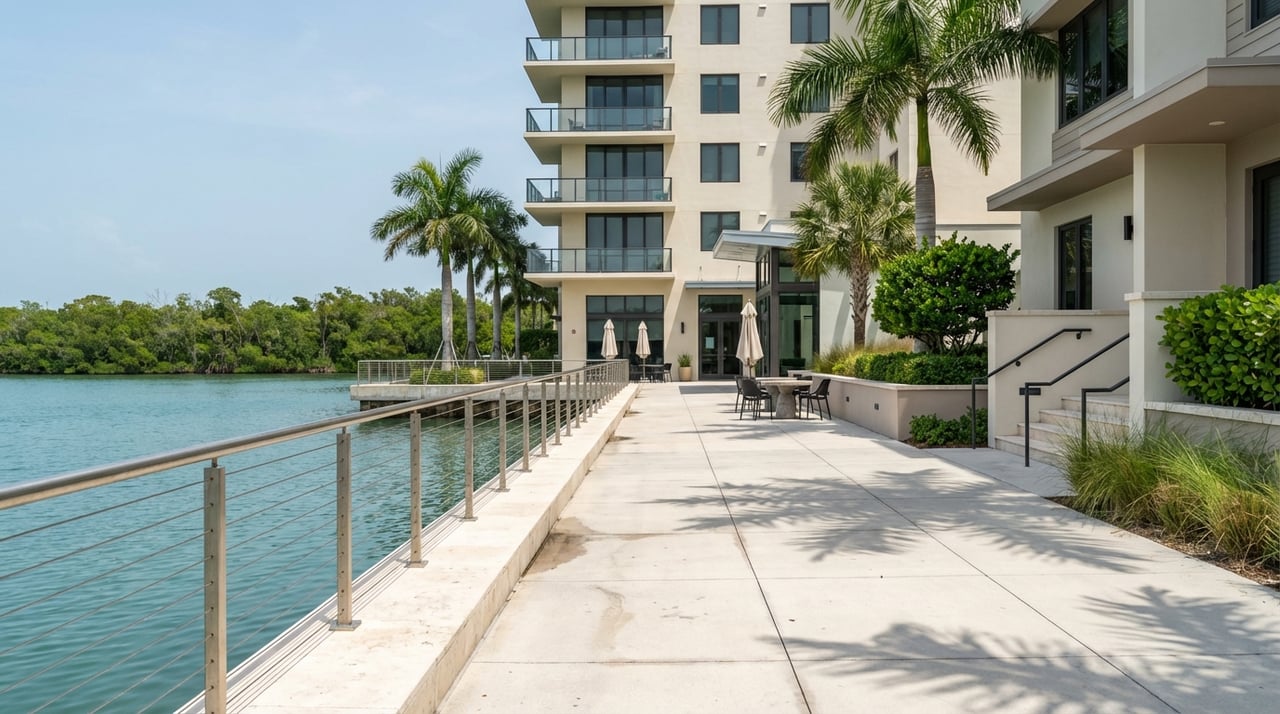
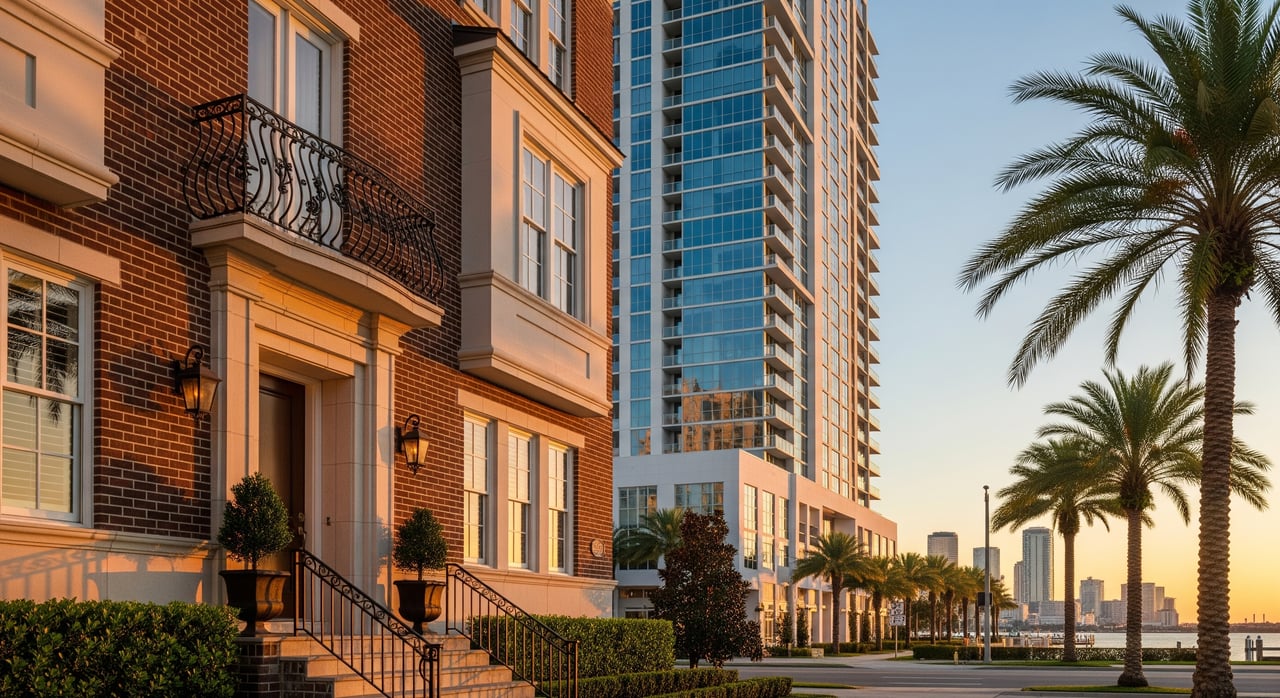
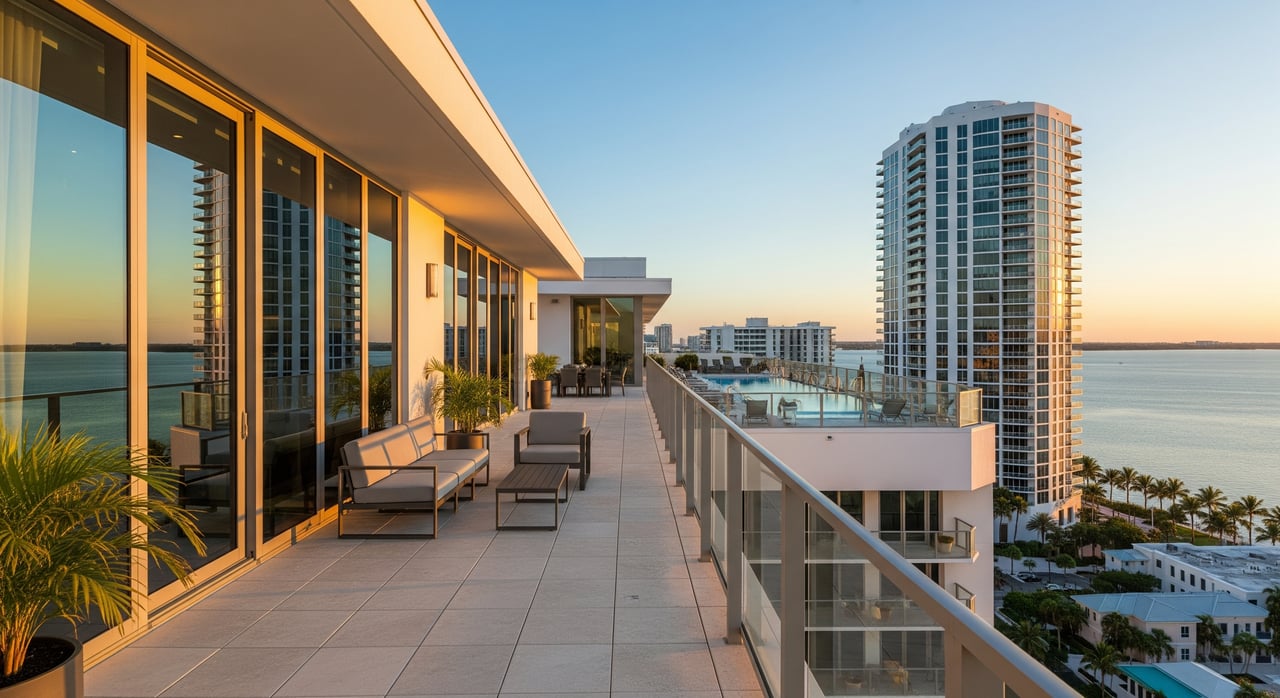
You will find high‑ and mid‑rise towers, low‑rise condos, and townhome‑style communities. Common amenities often include a fitness center, pool, covered parking, elevator service, and security or concierge. Some buildings offer marina or boat‑slip access, but treat that as building‑specific, not an island‑wide standard.
Waterfront perks and tradeoffs
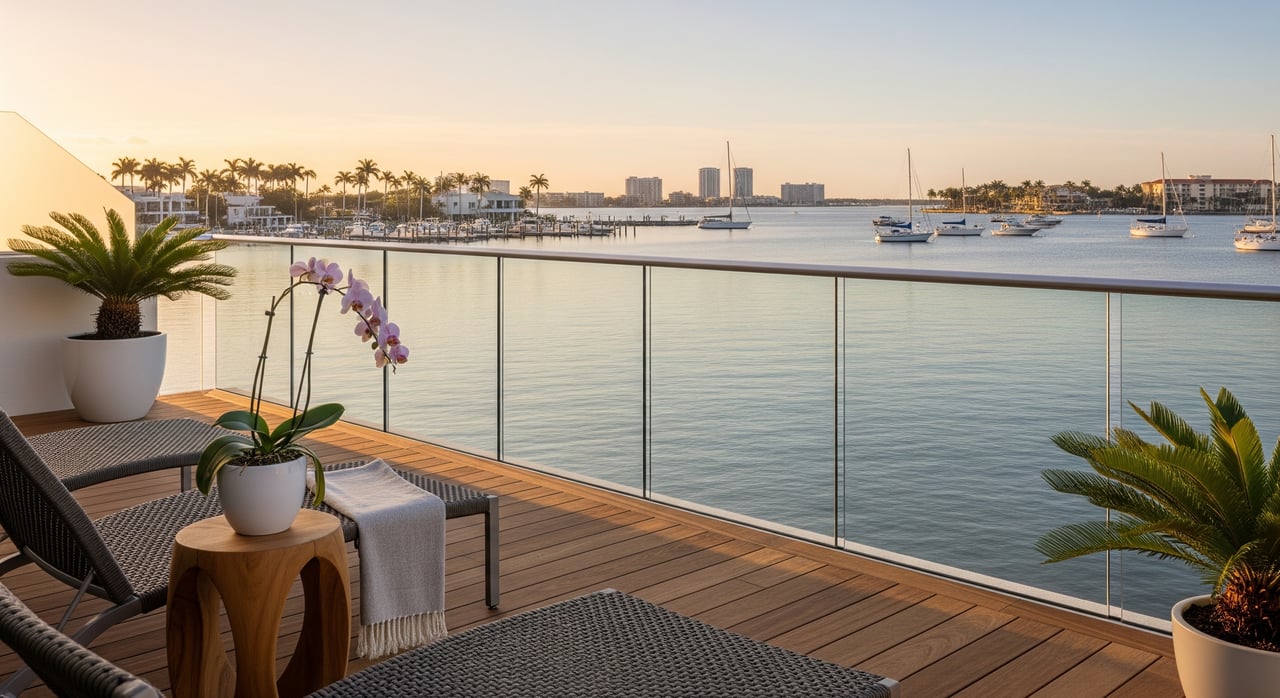
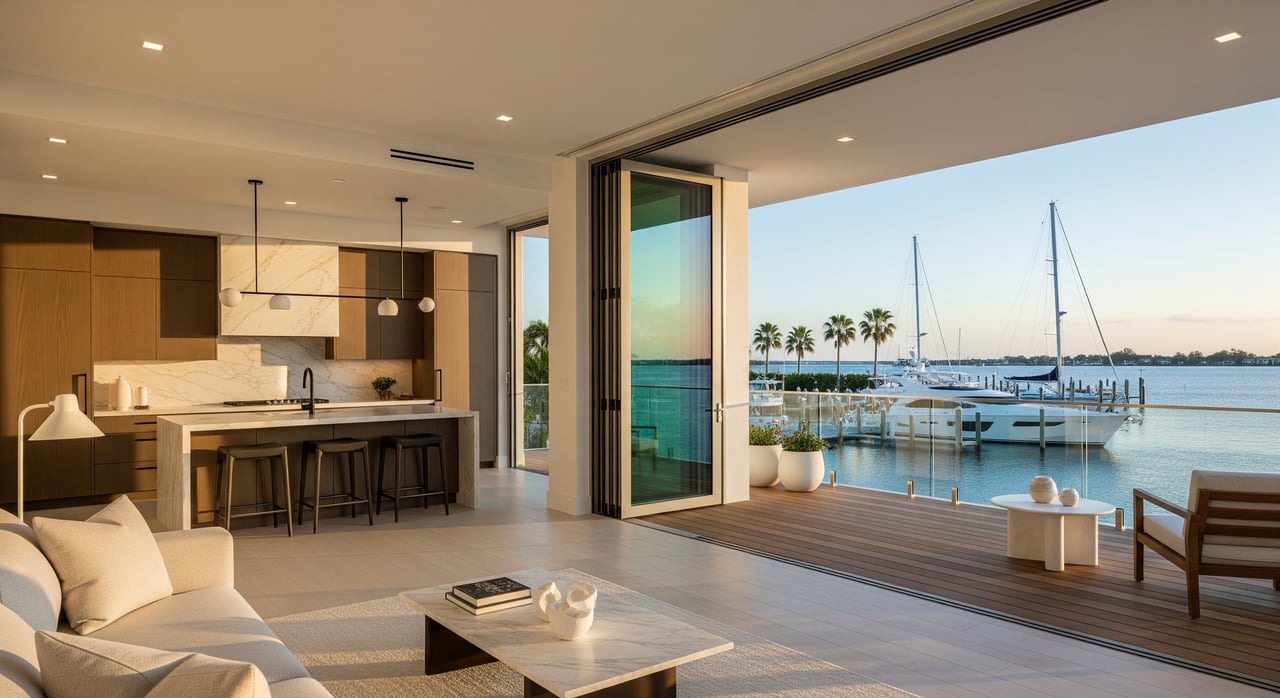
Water views and boating access are a draw. Keep in mind that waterfront exposure increases wear from wind, salt, humidity, and potential flood risk. Factor these into insurance, reserves, and maintenance planning when you compare buildings.
Understand the HOA and finances
What to request first
Before you get attached to a view, ask for the association documents. Prioritize:
- Current operating budget and recent financial statements
- Reserve study and current reserve balance with evidence of funding
- Assessment history, any pending special assessments, and delinquency reports
- Last 12 months of board and special meeting minutes
- Master insurance certificate and coverage summary
- Any recent structural inspection or engineering reports
Reserves, assessments, and minutes
Strong reserves reduce the chance of surprise bills. Review the full reserve study, not just a line item in the budget. In the minutes, look for upcoming capital projects like roofs, elevators, exterior painting, pool systems, or seawall work, and whether funding is planned or short.
Insurance and flood basics
Confirm what the master policy covers versus your responsibility. Policies vary from bare‑walls to limited interior coverage. Ask about wind or hurricane deductibles, which can be significant and sometimes passed to owners after a claim. Check whether the property lies in a FEMA‑mapped flood zone and whether lenders will require flood insurance. Ask about any mitigation measures already in place.
Rules that shape daily life
Read bylaws and rules closely. Key items include rental policies and minimum lease terms, pet policies, guest parking, storage assignments, smoking rules, and vehicle restrictions. If the building has boat slips, request documentation on assignment procedures, fees, insurance requirements, and waitlists.
Structural safety and compliance in Florida
Florida condominium law sets requirements for governance, reserves, and member rights. After 2021, added oversight increased the focus on structural inspections and reserve funding for certain buildings. When evaluating an older or taller building, ask if it is subject to mandatory inspections, whether any corrective actions are pending, and how the association plans to fund required work. Verify these details in writing.
Smart showing‑day game plan
Bring this with you
- Mortgage pre‑approval or proof of funds
- Photo ID and a short list of non‑negotiables: parking, pet rules, storage
- Your phone to take photos of the unit, balcony, and common areas
- If available, the latest HOA documents and rules for on‑site review
What to check inside the unit
- Smells and stains that hint at moisture or mold
- Windows, balcony doors, and metal finishes for corrosion or salt intrusion
- HVAC and water heater age and service history
- Water pressure and temperature at multiple fixtures; test GFCI outlets
- Floors and walls for cracking that suggests settlement or past water issues
- Street and event noise levels at different times of day
Common areas and access points
- Elevator ride quality, lobby cleanliness, and gym or pool upkeep
- Stairwells and trash areas for maintenance standards
- Exterior paint, balconies, and roof condition where visible
- Deeded parking spaces, guest parking rules, and location of assigned storage
Pre‑offer due diligence
Documents to secure before you write
- Resale certificate or estoppel letter detailing fees, assessments, and any violations
- Declaration, bylaws, and current rules and regulations
- Most recent budget, reserve study, financial statements, and insurance summary
- Minutes from the last 12 months of board and membership meetings
- Any contracts for major services like management, security, or landscaping
- Owner‑occupied vs. rented unit counts and any leasing restrictions
- Recent structural inspection or engineering reports
Questions for the board or manager
- Are reserves on track and held in a separate account?
- Any planned special assessments or capital projects in the next 1–5 years?
- Any insurance claims in the last 5 years and what is the current deductible?
- Is the building subject to mandatory structural inspections or corrective orders?
- What are the rental restrictions and minimum lease terms?
- What is the pet policy and how are service animals handled?
- How are parking spaces assigned and what are guest rules?
- Any pending or current lawsuits involving the association?
- Who enforces rules and how are violations handled?
- How are trash and recycling services managed and billed?
Pros to involve early
- Local real estate advisor experienced with Harbour Island condos
- Condominium attorney to review documents and advise on risk
- Home inspector familiar with multi‑unit and waterfront issues; structural engineer if needed
- Insurance broker versed in Florida condo, wind, and flood coverage
- Title company or closing attorney to review deed, easements, and recorded restrictions
Market fit and resale considerations
Harbour Island tends to attract downtown professionals, medical staff, corporate commuters, and second‑home buyers who value walkability and a lock‑and‑leave lifestyle. If you plan occasional rental use, verify lease rules up front, especially minimum terms and any short‑term restrictions. Buildings with solid reserves, low delinquencies, and stable governance typically resell more easily and can support better financing terms for incoming buyers.
Your next steps
To keep your search efficient, focus on three must‑do items:
- Get and review the association’s resale and financial documents in full.
- Verify flood zone, master policy coverage, and wind or hurricane deductibles.
- Confirm rental and short‑term rules if you want income potential.
If Harbour Island fits your lifestyle, let a local, condo‑savvy team guide you through documents, inspections, and negotiation so you can close with clarity. Ready to tour with a plan and buy with confidence? Connect with Carroll Couri to get started.
FAQs
What makes Harbour Island appealing for condo buyers?
- Proximity to downtown employers, the Riverwalk, dining, and entertainment offers walkable, low‑maintenance living with short commutes.
Do all Harbour Island buildings include marina or boat‑slip access?
- No. Some offer docks or slips while others do not. Treat marina access and rules as building‑specific and request the documentation.
What should I look for in the HOA’s finances before buying?
- Review the reserve study and funding level, recent financials, assessment history, delinquency rates, insurance summary, and 12 months of meeting minutes.
How do insurance and flood zones affect my costs on Harbour Island?
- Lenders may require flood coverage in mapped zones, and wind or hurricane deductibles on the master policy can be significant. Confirm coverage details and deductibles in writing.
Are short‑term rentals allowed in Harbour Island condos?
- Many associations restrict short‑term rentals or set minimum lease terms. Check the declaration, rules, and any amendments before you buy.
What are the biggest unit issues to check during a showing?
- Moisture or mold signs, balcony condition, window and door integrity, HVAC age, plumbing and electrical function, and real‑world noise levels.
How did post‑2021 Florida rules change condo buying?
- Added emphasis on structural inspections and reserve funding means you should verify whether a building has required inspections, any corrective orders, and a funding plan.